DIY Tips for Installing LED Lighting in Commercial Spaces
Lighting plays a crucial role in the aesthetics and functionality of commercial spaces. Whether you’re looking to enhance productivity, highlight products, or simply create a welcoming atmosphere, LED lighting is an excellent choice. Installing LED lighting can be a cost-effective and energy-efficient way to brighten up your commercial space. Here are some DIY tips to help you get started.
Planning Your LED Lighting Installation
Before diving into the installation process, it's essential to plan your lighting layout. Consider the purpose of each area within your commercial space. For instance, task-oriented spaces may require brighter lighting, while ambient areas benefit from softer illumination. Map out where you need lighting most and measure the spaces to determine the amount of lighting required.
Next, calculate the total wattage needed and choose the appropriate LED fixtures that fit your requirements. LEDs are available in various forms, including strips, panels, and bulbs. Selecting the right type will depend on your specific needs and the design of your commercial space.

Gathering the Right Tools and Materials
To install LED lighting, you'll need a few essential tools and materials. Make sure you have the following on hand:
- LED lights and fixtures
- LED drivers or transformers
- Wire cutters and strippers
- Electrical tape
- Voltage tester
- Screwdriver
Having the right tools will make the installation process smoother and more efficient. If you're missing any items, a quick trip to the hardware store should suffice.
Installation Process
Once you've gathered your materials, it's time to begin the installation. Start by turning off the electrical power to the area where you'll be working. This is a vital safety step to prevent any electrical accidents. Use a voltage tester to ensure there's no live current in the wires you'll be handling.
Next, follow these steps:
- Connect the LED driver to the power supply. This device regulates the voltage and current to the LEDs.
- Wire the LED fixtures to the driver. Ensure all connections are secure and insulated with electrical tape.
- Mount the LED fixtures in their designated locations. Use screws or adhesive depending on the type of fixture.
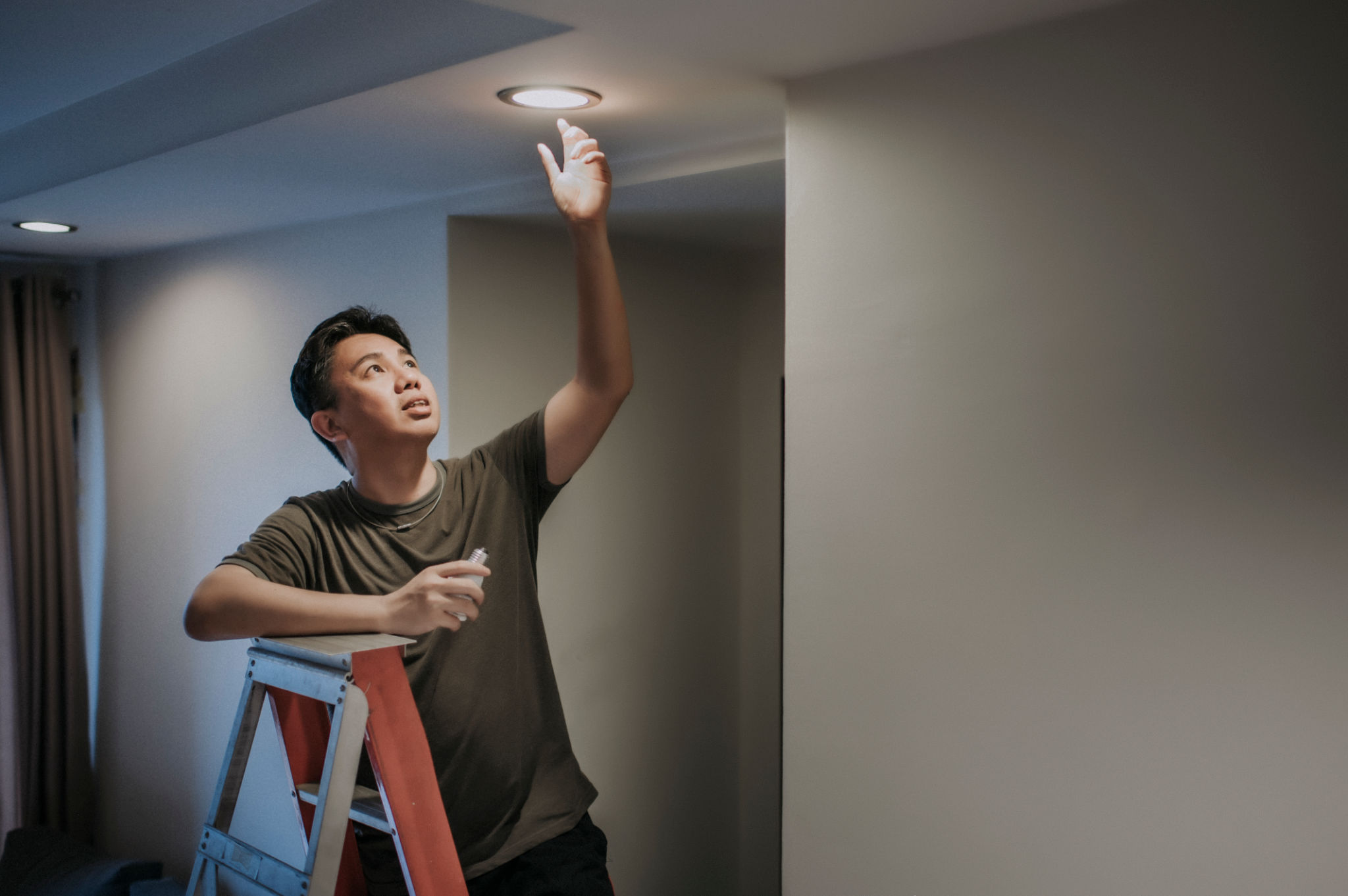
Testing and Adjustments
After installation, turn the power back on and test your new LED lighting. Check for any flickering or uneven lighting, which may indicate a loose connection. If you encounter any issues, double-check your wiring and make necessary adjustments.
Consider the lighting temperature and brightness. You may need to change the settings or reposition fixtures to achieve the desired effect. Many LED systems offer dimming capabilities, allowing you to customize the lighting to suit different occasions or times of day.

Maintenance and Energy Efficiency
One of the significant advantages of LED lighting is its low maintenance requirements. LEDs have a long lifespan, but it’s still essential to clean the fixtures regularly to ensure optimal performance. Dust and debris can accumulate over time, reducing brightness.
To maximize energy efficiency, encourage employees to turn off lights when not in use. Consider installing motion sensors or timers to automate this process. Regular maintenance and smart usage can significantly reduce energy costs over time.
By following these DIY tips, you can successfully install LED lighting in your commercial space, enhancing both its appearance and functionality. Enjoy the benefits of energy savings and improved lighting quality with your new setup!