Case Study: How LED Lighting Transformed a Los Angeles Industrial Space
Introduction
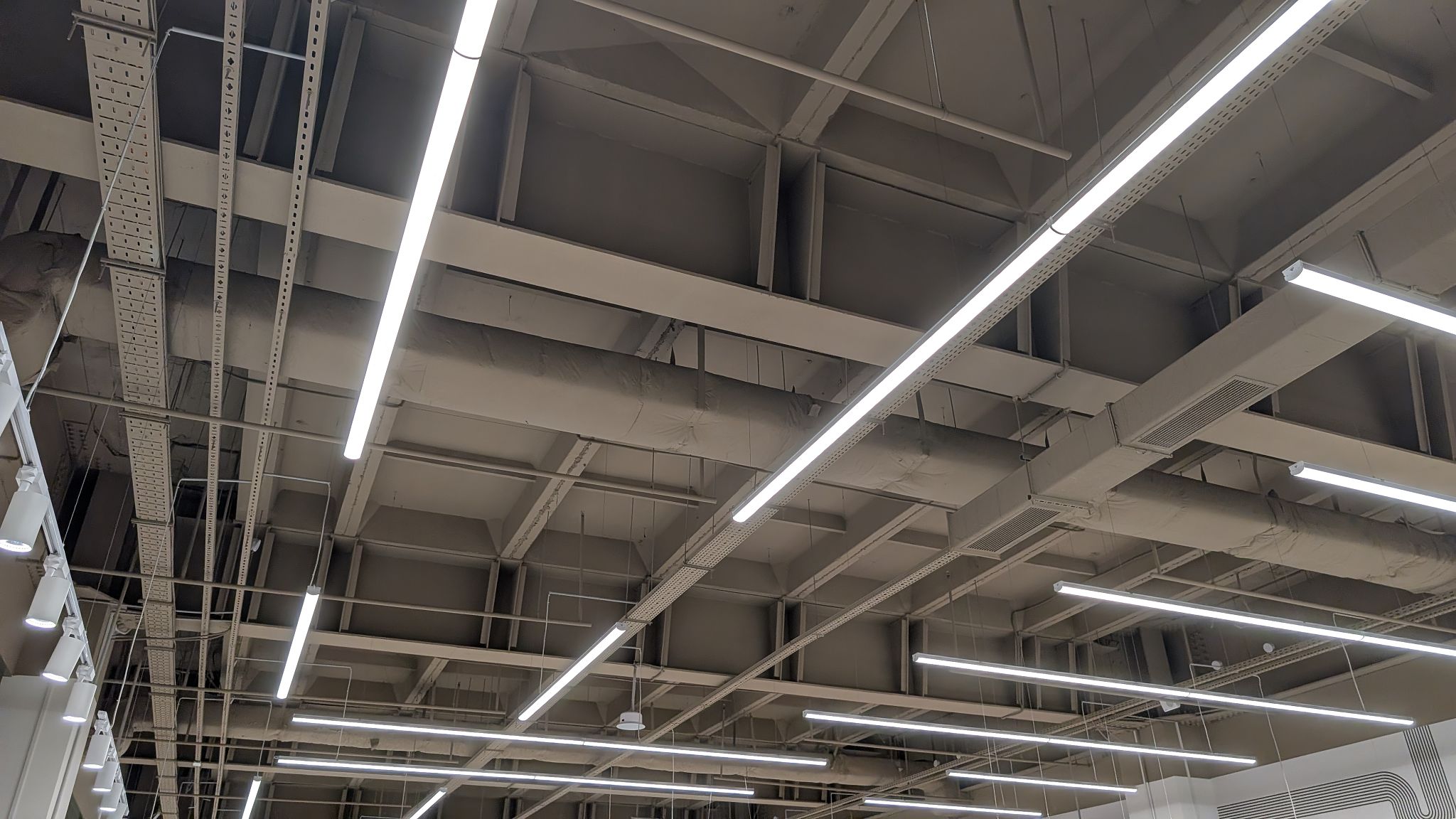
In the heart of Los Angeles, an industrial space faced challenges with its outdated lighting system. The facility, sprawling over thousands of square feet, was in dire need of an upgrade. Enter LED lighting, a solution that promised not only to improve illumination but also to enhance energy efficiency and reduce costs.
The Problem
The industrial space was struggling with high energy bills and inadequate lighting. The existing fluorescent lights were not only expensive to maintain but also insufficient for the vast area they needed to cover. Employees reported difficulties in visibility, impacting both productivity and safety.
Moreover, the frequent need for replacements and repairs added to the operational costs, making it clear that a more sustainable solution was necessary.
Solution Implementation
The management decided to switch to LED lighting, a decision driven by the need for better efficiency and lower costs. A comprehensive plan was developed to replace the old fixtures with state-of-the-art LED lights.
- Assessment of the entire facility to determine specific lighting needs.
- Installation of LED fixtures strategically to maximize coverage and efficiency.
- Integration with smart controls for optimizing light usage based on occupancy and time of day.

Benefits Realized
The transformation was remarkable. Post-installation, the facility experienced a significant reduction in energy consumption. LED lights use up to 75% less energy than traditional lighting, which translated into substantial savings on electricity bills.
Additionally, the improved lighting quality enhanced visibility, leading to increased productivity and a safer working environment. The long lifespan of LEDs also meant fewer replacements and lower maintenance costs.
Environmental Impact
Switching to LED lighting also contributed positively to the environment. By reducing energy consumption, the facility lowered its carbon footprint, aligning with sustainability goals. LEDs do not contain harmful chemicals like mercury, making them a more eco-friendly option.

Conclusion
The case study of this Los Angeles industrial space illustrates the transformative power of LED lighting. Beyond financial savings, the upgrade fostered a more productive and sustainable workplace. This example serves as a compelling argument for other industries considering a switch to LED solutions.
Investing in LED lighting is not just a cost-saving measure; it's a step towards a brighter, more efficient future.